
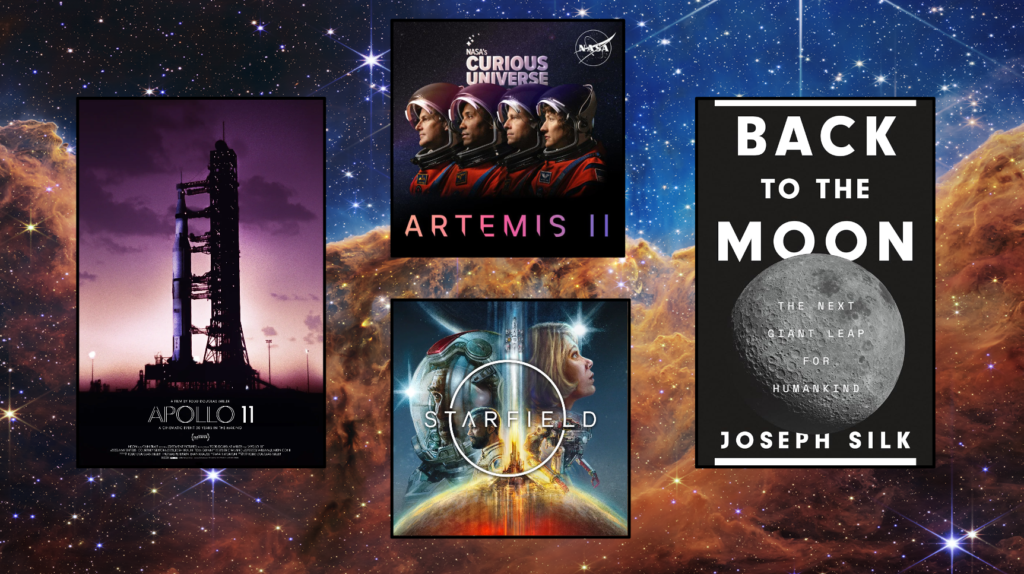
Hello, and welcome to the first space deep dive! Here we focus on a topic and find books, movies, podcasts, and games that you can delve into so that you’re able to fully immerse yourself in the subject. This week is moon exploration from the past to the possible future.
| Media | Title | Creator |
| Movie (Documentary) | Apollo 11 | Todd Douglas Miller / NEON |
| Podcast | Artemis II | NASA’s Curious Universe |
| Book | Back to the Moon | Joseph Silk |
| Video Game | Starfield | Bethesda |
MOD-01 | The Projection Room
Apollo 11
Rated: G
Runtime: 93 minutes
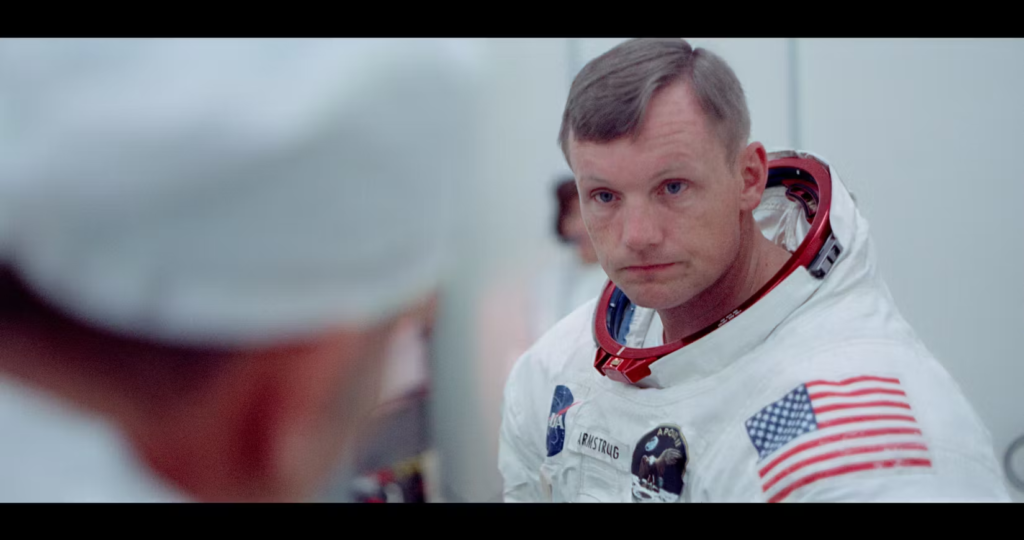
The year is 1969. For the first time in history, a human will walk on the surface of the Moon. For those of us who weren’t alive yet (and even those who were), the Apollo 11 documentary directed by Todd Douglas Miller captures the feeling of being there in the room as it happened. Having watched the Artemis II launch live in April 2026, I was struck by how similar it all was to this documentary. The movie featured footage the day leading up to launch, the journey to the Moon, and ending with splashdown just like NASA did for Artemis II. I also didn’t realize until seeing this documentary how little fuel the Apollo 11 lander had remaining before they would have had to abort the landing (it was less than 30 seconds of fuel). My favorite part though was when the Saturn V was taking off and the camera followed it up, all with an amazing soundtrack underscoring the gravitas of the moment.
To see this movie for yourself, you can either check out a physical copy from your local library, see it on Kanopy for free with a library card or student ID, or view it with a Netflix subscription.
MOD-02 | The Comm-Link
Artemis II – Curious Universe
Episodes: 8
Podcast Length: 283 minutes
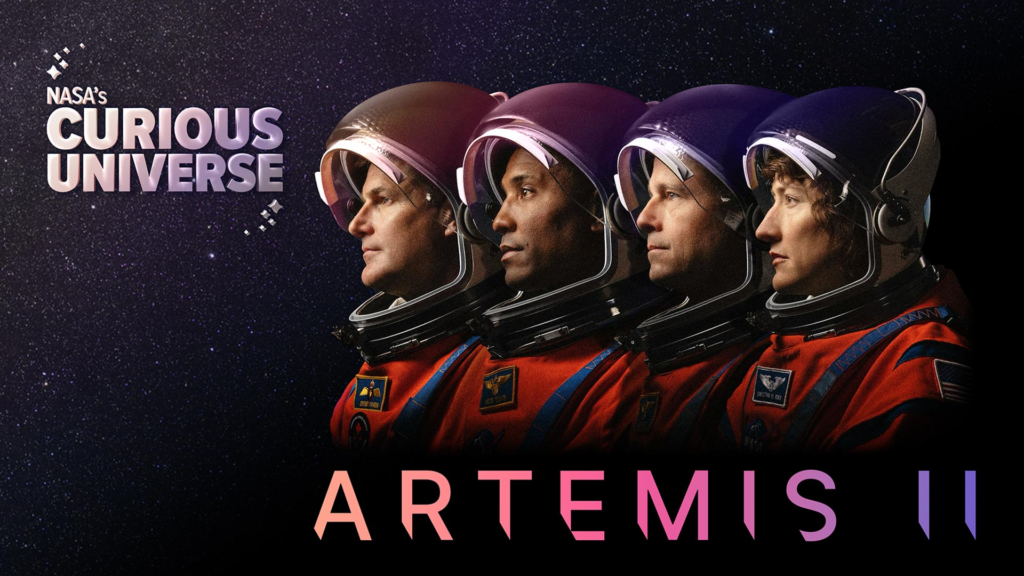
Fast forward now to 2026. If you watched the Artemis II launch this month and want to learn more about how it all came together, then this is the podcast for you. They have interviews with the astronauts, they interview the ground teams, talk about the rocket itself, and much more. A funny story included in the first episode is about how all the Artemis 2 astronauts were late to the meeting where they were to learn that they had been chosen for the mission. They thought it was a virtual meeting for something entirely different, that’s how well NASA concealed the true intent in hopes of surprising them with the question “How would you like to fly Artemis II”. I personally really enjoyed this series, and hope they do another one when Artemis III comes around.
You can listen to this on NASA’s website or wherever you get your podcasts.
MOD-03 | The Paper Observatory
Back to the Moon – Joseph Silk
Estimated Readtime: 5 to 6 hours
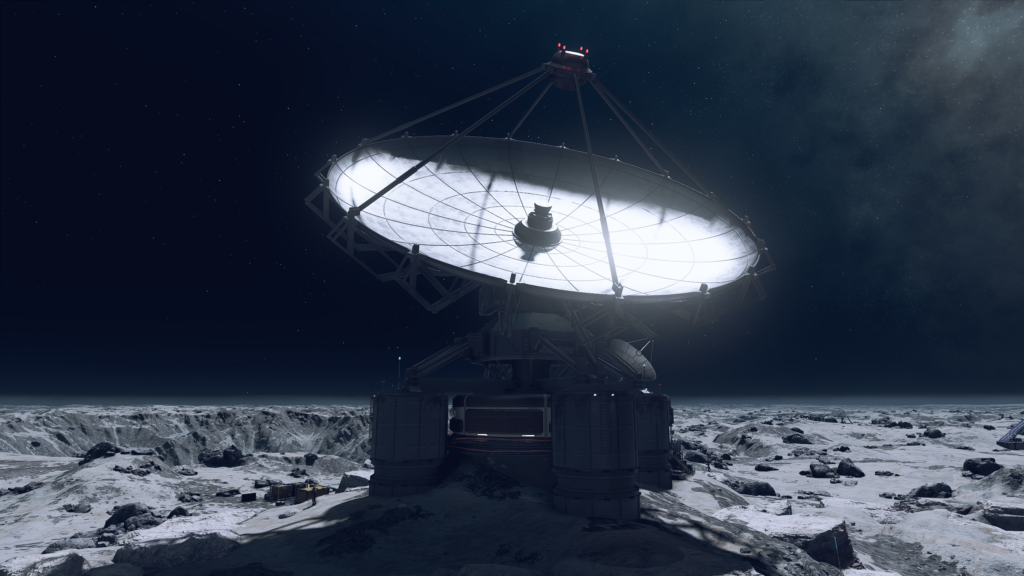
When I started reading this book, I was under the impression that it was laying out a vision for the next 50 years in going back to the Moon. This book was not that. Instead, 60% of it is talking about astrophysics topics that have nothing to do with the Moon, leaving our natural satellite as an afterthought. Don’t get me wrong, I love reading about the universe, I just thought there would be more material in a book about the Moon…actually about the Moon. The author’s main focus when he does speak of the Moon is constructing lunar observatories to study the cosmos. Even though I was unhappy there was not more material on the Moon, there was a fact however that I found really interesting, which is that the Moon has 10,000 times more rare earth reserves than our planet. Rare earths are used in a lot of electronics and green energy systems that we rely upon day to day. Being able to mine those off-planet decreases the amount of toxic and radioactive waste that is generated mining those same materials on Earth, while also increasing the amount of time before we run out of rare earths.
You can find this book at your local library or bookstore.
MOD-04 | Digital Horizons
Starfield
Rating: Mature 17+
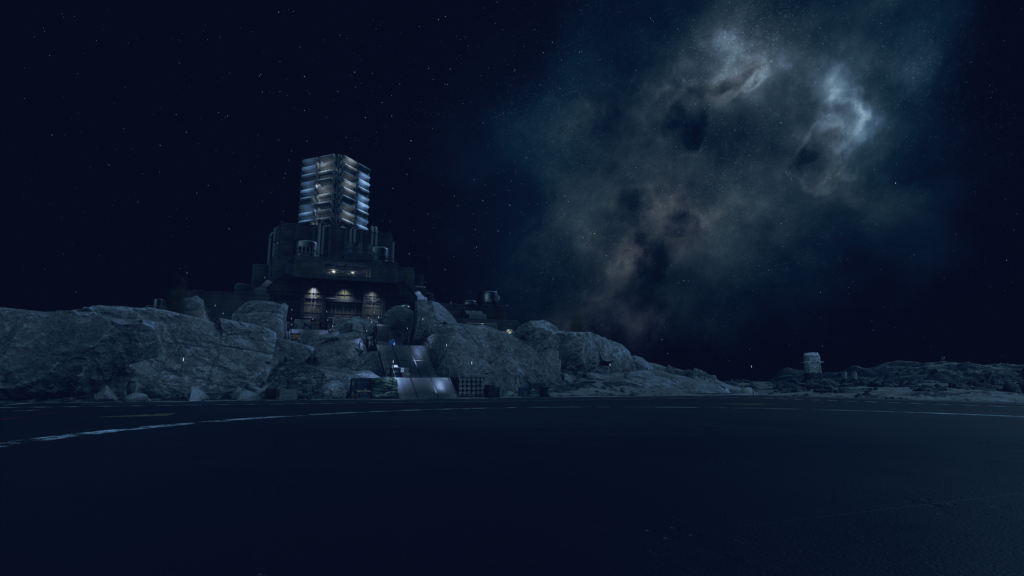
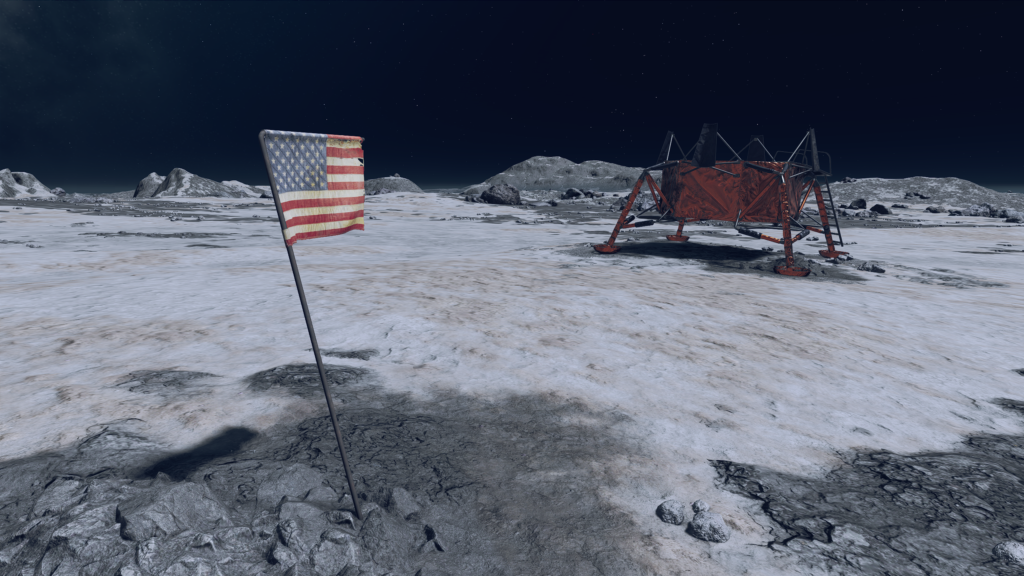
We end our journey in the year 2330. Earth has been abandoned, but there’s still a presence on the Moon. This is the universe of the video game Starfield. While the game is not primarily set on the moon, it is a visitable location. I flew there in my trusty starship to see what the future holds for our natural satellite. Walking on the surface of the Moon this far in the future, one can see factories, habitats, solar farms, and more buildings littering the surface. You’re even able to do a little space tourism and visit the Apollo 11 landing site to see the descent stage and American flag (and get an Apollo 11 snow globe). I attempted to build an outpost next to the lander, but thankfully I wasn’t allowed to do it. One would hope that in the far future these landing sites would be protected as a part of the history of how we first went to the Moon, and then back again, this time to stay.
From 1969 to 2330, the Moon still holds sway over humanity. We can look up and see it there in the sky, a constant that continues through our entire lives. No matter what happens, everyday at some point the Moon will be there to greet you. The Moon is here for all of us.
Next week’s deep dive will be covering the James Webb Space Telescope. Until then, keep looking up!
Leave a Reply